Make sense of your market.

Chimera gives founders and marketers a living read on their competitors and their market, built from what rivals change, ship, hire for and sign — in any language, checked over weeks.

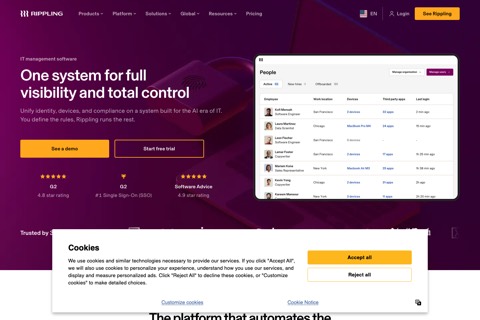
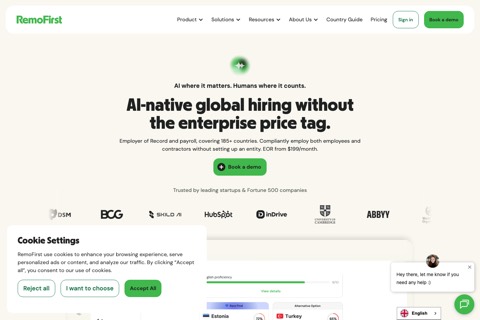
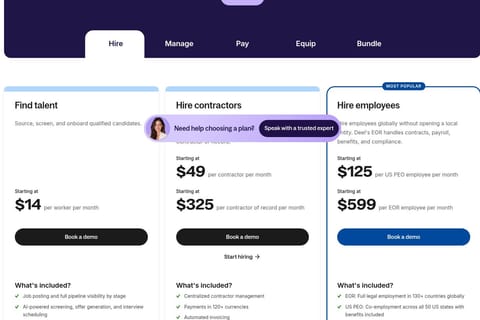
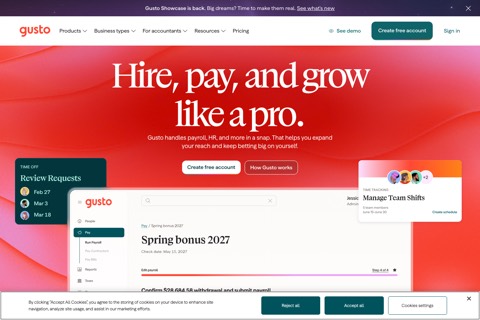
Behind the words Chimera stands on a field of the market just under the buttons, and every few seconds a soft wave of light spreads from it down and to the sides and finds what has changed: pages in Korean, Japanese, German and English, each read in its own language and written up in English, then joined by hairlines where they agree into a belief, such as that Deel runs localized EOR comparison pages against rivals, which Chimera checks against one more finding; each new wave washes the oldest story away as it brings the next. The stories are real reads from the workspaces we run.

Competitor intelligence for small B2B teams.

The problem

Nobody’s job, so it happens in bursts.

Keeping an eye on competitors is nobody’s direct responsibility. It gets done now and then, in fits and starts, and mostly means refreshing a couple of their pages. That tells you a page changed, not what they’re doing.

Why Chimera

Chimera follows them every day, for months.

It reads what happened, rates each change and fits the pieces into one picture. Over the months that picture becomes a read on their strategy, and on what you could do about it.

What it reads

Every public page of each competitor’s site, every day, and what happens around it.

  • Whole websites
  • Landing pages
  • Pages before launch
  • Pricing and plans
  • Banners and offers
  • A/B tests
  • Positioning shifts
  • Product releases
  • App store listings
  • New markets
  • Tech stack
  • Terms and policies
  • Hiring
  • Funding and deals
  • Partnerships
  • News
  • Reviews
  • Ongoing events

How it works

Four layers, each built on the one before: findings, cases, reads, the whole picture.

  1. Layer 1 · Findings

    Add your competitors. Every day, findings arrive, each rated for why it matters.

    Chimera suggests competitors from your site and reads their public pages daily, in any language. Each change is written up in English and rated, from Routine to Critical, with the reason.

  2. Layer 2 · Cases

    Findings gather into cases, one per topic.

    A price test, a new page and a hire about the same thing belong together. Chimera files each finding into the case it continues, so you follow a topic, not a stream.

  3. Layer 3 · Reads

    It finds the pattern and tests it, reading what they’re up to.

    Several findings across companies and weeks form a belief. Chimera writes what it means, says how sure it is, names the findings it rests on and keeps checking as new ones arrive.

  4. Layer 4 · The whole picture

    Over months, the reads add up to their strategy.

    Beliefs hold or fall as the weeks go by. The ones that hold become a picture of where each competitor is heading, and of what you could do about it.

More than alerts, lighter than an enterprise platform.

Page-change alerts send a ping per change. Enterprise platforms are built for sales teams, with a demo first. Chimera gives a small team the read, without the analyst.

What it doesPage-change alertsEnterprise platformsChimera
What it finds
Every page of their site, new ones includedPartlyPartlyYes
Pricing, plans and offersYesYesYes
A/B tests on their pagesNot offered or not describedPartlyYes
Launches, before and after they’re announcedYesPartlyYes
Positioning, new markets and tech stackPartlyPartlyYes
App store listings and reviewsYesYesYes
Terms, policies and other documentsPartlyPartlyYes
Hiring, funding, partnerships, news and eventsPartlyPartlyYes
100 days of their past on day oneNot offered or not describedNot offered or not describedYes
How it thinks
Brings sources on one topic together: pages, hiring, newsPartlyPartlyYes
Follows a topic for months, not one update at a timeNot offered or not describedPartlyYes
Notices when several rivals move the same wayNot offered or not describedPartlyYes
Reads what they’re doing, or may be doingPartlyPartlyYes
Forms hypotheses and checks them itselfNot offered or not describedNot offered or not describedYes
Says how sure it is, and when it doesn’t knowNot offered or not describedNot offered or not describedYes
Estimates what a campaign or partnership costNot offered or not describedNot offered or not describedYes
Keeps it in order: findings, cases, beliefs, strategyNot offered or not describedPartlyYes
What it takes
Works without an analystYesPartlyYes
No sales call, no yearly contractYesNot offered or not describedYes
Stays quiet when nothing happenedPartlyPartlyYes

Chimera works where you already work. Ask it in Claude or ChatGPT.

The morning read comes to Slack or your inbox. Chimera also connects over MCP to Claude, ChatGPT and any assistant that supports it. Ask about a competitor, and it answers from what it has tracked: how sure it is, the findings behind it, and a plain “no change found” when there isn’t one.

Ask in

  • Claude
  • ChatGPT

Delivered to

  • Slack
  • Email

Deel vs Remote on payroll AI

Is Deel ahead of Remote on payroll AI? And did Remote change its prices this month? I have a prospect call at 3.

Chimerabeliefs

Deel and Remote compete on payroll AI accuracy claims

Supported4 findings · Oct 20 – 22

Deel and Remote now publish their own benchmarks that test AI models on payroll and HR law, and Deel adds its own model family built on its knowledge base.

  • Deel revealed Pangaea K1, its own 9B model trained on Deel knowledgeOct 22
  • Remote published a payroll AI accuracy benchmark pageOct 20

and 2 more findings

Claude answered:

Neck and neck rather than ahead. Chimera rates this Supported on four findings from Oct 20–22: Deel revealed its own model, Pangaea K1, and Remote answered with an accuracy benchmark. On pricing, Chimera found no change at Remote this month; it reads their pricing page daily.

Pay as you go.

Software alone costs next to nothing now. The work and its result still do. With Chimera you pay only for the work done, and only as much of it as you need.

From about €5 a month.

A few competitors, daily More competitors Deeper reading

Enough for daily watching of a few competitors. Beyond that, you pay for the work: how much it watches and how deep it reads.

Join the waitlist

What you never pay for

  • No commitment
  • No per-seat price
  • No per-agent price
  • No per-competitor price
  • No licence fee
  • No yearly contract

Questions

  • How is this different from page-change alerts?

    Those send an alert per change, sometimes with an AI note. Chimera reads what a competitor is doing, or may be doing, says how sure it is and shows the pages behind it.

  • How is it different from enterprise competitive-intelligence platforms?

    Those are built to arm sales teams: battlecards, win-loss reviews, a demo first. Chimera is for a small team that wants a view out of the box.

  • Who is it for?

    Founders and marketers at small B2B companies who decide positioning, pricing and launches, without an analyst team.

  • Can it see pages behind a login?

    No. If a site blocks it, Chimera says so on that competitor’s page instead of guessing.

  • Will it make things up?

    It’s tested not to, every week. Every finding links to the page it came from, and a guess is labelled as a hypothesis.

  • What does “pay as you go” mean?

    No licence. You pay for how much Chimera reads and how deep it goes, not for seats or the number of competitors.

Join the waitlist

We’ll write when we open seats. There’s no date yet.

No spam. Privacy